Collection
Dietary Supplements – Vitamins, Minerals, Adaptogens, and Herbal Extracts
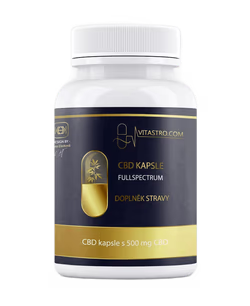
Dietary supplements are foods designed to complement a regular diet with concentrated sources of nutrients or other substances with nutritional or physiological effects. At CBDsvět.cz you will find a wide range of supplements for everyday wellness — from classic vitamins and minerals, through omega-3 fatty acids, adaptogens, and herbal extracts, to the newer segment of hemp-extract supplements (CBD capsules and gummies). The goal of this category is not to replace a varied diet but to purposefully fill what is missing from your everyday menu or to support a specific area of health — immunity, sleep, energy, joints, skin and hair, or mental well-being.
This page is a comprehensive buying guide. We walk you through four major supplement groups (vitamins and minerals; omega-3 and essential fats; adaptogens and herbal extracts; CBD and other plant-extract supplements), show the differences between forms (capsules, tablets, softgels, gummies, powders, sublingual drops), explain what bioavailability means and why some vitamins are worth taking with food, describe how to read a label and the recommended daily intake (RDA / NRV), and openly address safety, fat-soluble vitamin overdose risks, and interactions with common medications.
Who are dietary supplements for? Primarily adults who want to purposefully support a specific area — athletes (recovery, magnesium, omega-3, adaptogens), people with high workloads (B vitamins, ashwagandha, rhodiola), seniors (vitamin D3 + K2, calcium, collagen, coenzyme Q10), pregnant and breastfeeding women (folic acid, iodine, omega-3 DHA — always after consulting a physician), and the general population in winter months (vitamin D3, zinc, vitamin C, echinacea for immune support). Dietary supplements are not medicines and do not replace treatment of disease — their role is preventive and supportive.
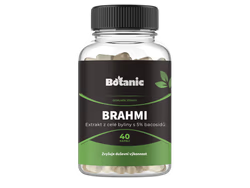
Quality varies dramatically among dietary supplements. Cheap multivitamins from supermarkets often contain the cheapest (and least absorbable) forms of active ingredients — magnesium oxide instead of magnesium bisglycinate, synthetic vitamin D2 instead of D3, isolated vitamin E (alpha-tocopherol) instead of the full tocopherol and tocotrienol complex. In our dietary supplements category we prefer brands that declare the specific form and active ingredient content per daily dose, work with bioavailable variants (chelated minerals, methylated B vitamins, liposomal C), and for herbal extracts state the standardised content of active compounds (e.g. % withanolides for ashwagandha or % salidroside for rhodiola).
If you are not sure where to start, see the "When and How to Use" section below — it contains six typical scenarios (immunity, sleep, energy, sport, skin/hair/nails, joints) with concrete tips on which supplements make most sense for each goal. And if you want to learn more about the newest supplement segment featuring CBD (capsules and gummies), you will find a dedicated in-depth explanation on the CBD oils pages and in the CBD guide section — this category intentionally covers dietary supplements in their full breadth.
10 produktů