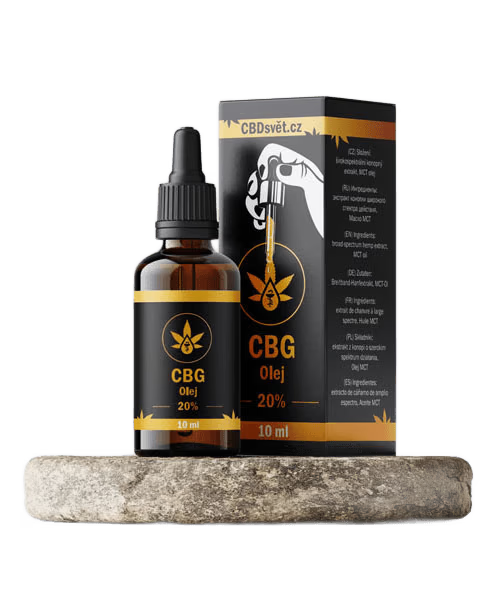
CBG Oil – 20%
“CBG Oil – 20%. Every drop for your wellness and vitality.”
CBG oil (or CBG drops) is a product derived from the hemp plant, where MCT oil is used as a carrier for the active CBG extract. This is because CBG, like other cannabinoids, is fat-soluble, and consuming it with fats maximizes its efficacy.
- Exact concentration of 20% CBG (20 mg per drop)
- Full-spectrum extract for maximum effectiveness
- MCT carrier oil ensures rapid absorption
- Precise dosing thanks to the dropper for easy use
- Laboratory tested for your confidence
- THC below 1% for hassle-free use
Product Profile
When to Use This Product
Evening Relaxation
Calm your mind and unwind after a demanding day.
Creativity Boost
Stimulate creative thinking and inspiration at work.
Pre-Workout Support
Enhance focus and improve performance during training.
Travel Companion
Ease stress and tension while traveling.
Morning Boost
Kickstart your day with a positive mood and energy.
Comparison with Alternatives
CBG Oil – 20% vs. CBD Oil – 20%
Higher concentration of CBG for specific effects.
Choose if you seek a stronger CBG effect.
CBG Oil – 20% vs. CBN Oil – 15%
CBG Oil – 20% is more suitable for daytime use.
Use if you need support during the day.
Physical Parameters
30 g
20 × 10 × 15 cm
Details
Product Description and Active Ingredients:
What is CBG?
CBG stands for cannabigerol, a compound that is one of over a hundred cannabinoids, including THC (tetrahydrocannabinol) and CBD (cannabidiol). In non-cultivated hemp, CBG is the third most prevalent cannabinoid. CBG is derived from CBGA (cannabigerolic acid), which serves as a foundational building block for various other compounds such as CBD and THC.
CBG has a wide range of properties due to its ability to bind to receptors in various tissues and organs, thereby modulating inflammatory responses and cellular processes. Similar to CBD, cannabigerol has a weak binding affinity for the endocannabinoid receptor CB1, which is found in the brain and is associated with the psychoactive effects typically linked to THC. However, due to its weak binding, CBG does not activate CB1 receptors and actually inhibits THC from binding, thereby mitigating its psychoactive effects.
So far, there have been relatively few studies exploring the effects of cannabigerol compared to other cannabinoids, most of which have been conducted on animal models or in laboratory settings. However, the results of these studies are promising.
CBG and Chronic Inflammatory Bowel Disease
According to an Italian study from 2013, cannabigerol shows potential in alleviating inflammatory bowel diseases and their symptoms. Individuals with chronic inflammatory bowel issues often suffer from prolonged diarrhea, abdominal pain, blood in the stool, and weight loss. These conditions, such as Crohn's disease and ulcerative colitis, involve the immune system attacking the intestines. Treatment is often challenging and focuses on symptom relief, typically involving corticosteroid medications that come with serious side effects. The mentioned study demonstrated that CBG could restore the protective function of intestinal cells against harmful free radicals and reduce inflammatory responses. Other studies also confirm the anti-inflammatory properties of CBG.
Multiple Sclerosis and Other Neurodegenerative Diseases
Multiple sclerosis is a serious condition where the immune system attacks nerve cells, leading to the degradation of their protective layer, myelin. This results in reduced or lost conductivity of affected nerves, causing muscle weakness, sensitivity issues, and cognitive decline. As the disease progresses, individuals with multiple sclerosis may become wheelchair-bound and less able to care for themselves. Currently, there is no cure for the disease, but certain treatments can slow its progression. Similar to other inflammatory diseases, corticosteroids are used to suppress the immune system. Cannabigerol may hold promise as a treatment. Two studies from 2012 and 2014 demonstrated that modified CBG could protect nerves from immune system damage. CBG administration restored motor functions in mice to normal mobility and significantly reduced nerve sheath damage. The neuroprotective function of cannabigerol could also be applicable to other diseases associated with nerve damage, such as Parkinson's disease, Huntington's disease, or amyotrophic lateral sclerosis (ALS). A 2019 in vitro study highlighted the potential for improving nerve protection using CBG combined with CBD, showing that this mixture has greater neuroprotective properties than cannabidiol alone.
Pain Relief
CBG has a similar mechanism of action to ibuprofen and other non-steroidal anti-inflammatory pain relievers, suggesting that cannabigerol could serve as an alternative to these medications. According to an earlier study, CBG may even be more effective for pain relief than THC.
Diabetes Mellitus
A 2018 study indicated the potential for using hemp extract (with high CBG and CBD content) to reduce aldose reductase activity, thereby alleviating damage caused by diabetes. The enzyme aldose reductase is involved in sugar metabolism in cells, leading to common health issues for diabetics, such as neuropathy, kidney damage, and retinopathy (which can lead to blindness). A key advantage of CBG and other cannabinoids is their ability to penetrate cell membranes, allowing components of hemp extract to reach retinal cells, which current aldose reductase inhibitors struggle to do. Traditional medications also have relatively serious side effects (digestive issues, elevated liver enzymes). Cancer Numerous studies have discussed the ability of cannabigerol to suppress tumor growth in human cells in vitro. For instance, CBG has been shown to inhibit tumor growth in breast (though CBD is more effective), prostate (along with CBD), colon, stomach, and skin (mouse cells). The exact mechanism of action is not fully understood, but it is speculated that CBG induces programmed cell death (apoptosis) in cancer cells. Animal model research from 2014 suggested that CBG could be used not only for treating tumors but also for preventing their development, as CBG administration slowed the progression of colon cancer in mice. CBG also shows great potential in stimulating appetite, which is a common issue for many cancer patients.
Glaucoma
Glaucoma occurs due to damage to the optic nerve caused by high intraocular pressure, which compresses the blood vessels leading to the nerve, impairing its nutrient supply. For millions of affected individuals worldwide, the gradual degeneration of the nerve leads to worsening vision, with limited regenerative capabilities, making the damage practically irreversible. A 2008 study suggested the possibility of treating glaucoma by reducing intraocular pressure using CBG.
Psoriasis
Psoriasis is a chronic skin condition affecting 2 to 4% of the population. It is genetically predisposed and caused by the rapid growth of skin cells and their premature keratinization, leading to frequent inflammation. Psoriasis manifests as red, scaly patches on the skin, and in some patients, it can also cause joint inflammation (psoriatic arthritis). Cannabigerol has shown the ability to slow down excessive skin cell proliferation, making it a potential alternative to traditional psoriasis medications that have numerous side effects (including corticosteroids).
Urinary Issues
In vitro experiments have shown that CBG could be a promising remedy for urinary issues (such as inability to urinate, incontinence, etc.). Many users have reported positive effects when using cannabis for these problems.
Osteoporosis
According to a 2007 study, CBG stimulates the activity of certain immune system components that promote the regeneration of bone tissue. Cannabigerol thus offers therapeutic potential for osteoporosis, which affects many seniors and post-menopausal women.
The active ingredients in our oils are dissolved in MCT oil. When using full-spectrum and broad-spectrum oils, the so-called entourage effect occurs, where cannabinoids mutually support each other's therapeutic potential (and a smaller amount of drops is sufficient to achieve an effect). CBG oils are taken sublingually, and they are available in concentrations ranging from 5% to 20%. Due to oral administration, cannabigerol quickly enters the bloodstream and begins to take effect within 20 minutes, lasting for several hours. This method of use is particularly suitable for intestinal issues, but the cannabigerol also reaches other tissues and organs through the bloodstream.
CBG oil can be used for skin issues and sore muscles. Application is simple – just apply the cream to the affected area and let it work. Ointments should not be taken internally.
Side Effects of CBG Products. No studies have yet been conducted on side effects from using CBG products. However, user reports indicate that CBG is well tolerated. Caution is advised if you are taking any medications. Pregnant and breastfeeding women should avoid CBG, as the effects of cannabigerol on developing fetuses or infants are unclear.
Want to know the difference between CBD and CBG? Check out our blog: CBD vs CBG
Frequently Asked Questions
This product is not intended to diagnose, treat, or prevent any disease. CBD and THC values are approximate. THC content always complies with CZ/EU legislation (max. 1%). Consult a physician before use.
Laboratory Certificate (COA)
Independent analysis of cannabinoid content
Every batch of our products undergoes testing at an accredited laboratory. The certificate confirms the actual cannabinoid content, purity and safety.
We will send the current laboratory certificate for this batch on request. Write us the batch number from the product packaging and you will receive the PDF by return.
Request COA by emailReviews
No reviews yet. Be the first to review this product!
No reviews yet. Be the first to rate this product.
Questions and Answers
No questions have been asked yet.